
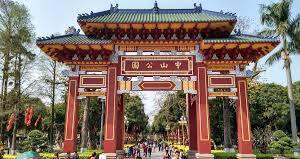
Zhongshan Park is one of the most beloved historical parks in China, attracting both locals and tourists with its tranquil beauty, cultural significance, and timeless charm. Located just west of the Forbidden City in Beijing, this park has been a place of recreation, remembrance, and cultural pride for over a century. Originally part of the imperial grounds of the Ming and Qing dynasties, it was later transformed into a public park to honor Dr. Sun Yat-sen (Sun Zhongshan), the founding father of modern China.
Visiting Zhongshan Park in 2025 offers a unique opportunity to step back into history while enjoying serene landscapes, ancient temples, and traditional Chinese gardens. This guide explores everything you need to know about the park—its history, main attractions, cultural significance, and practical travel tips.
 History of Zhongshan Park
Zhongshan Park’s roots date back to the Ming Dynasty (1368–1644) when it was part of the Altar of Earth and Harvests, also known as Shejitan. This altar was used by emperors for solemn rituals dedicated to the gods of earth and grain, central elements of ancient Chinese statecraft and agriculture.
In 1914, after the fall of the Qing Dynasty, the site was opened to the public as a city park. Later, in 1928, it was renamed Zhongshan Park in honor of Sun Yat-sen (Sun Zhongshan), who had passed away in 1925. Sun Yat-sen is celebrated as the “Father of Modern China” for his pivotal role in overthrowing imperial rule and laying the foundation for a republic.
Today, Zhongshan Park stands not only as a recreational green space but also as a living monument to China’s political transformation and cultural heritage.
Top Attractions in Zhongshan Park
1. Altar of Earth and Harvests (Shejitan)
The highlight of Zhongshan Park is the Shejitan, the grand altar where emperors once performed sacrifices to the deities of earth and grain. Built in 1421, it remains a symbol of China’s ancient political rituals and agricultural traditions. The altar is a must-visit for those interested in imperial history.
2. Sun Yat-sen Memorial Hall
A significant feature of the park, this hall was constructed to commemorate Sun Yat-sen. Inside, visitors can learn more about his contributions to China’s modernization and see exhibitions dedicated to his life and vision.
3. Classical Chinese Gardens
Zhongshan Park is home to beautifully designed Chinese gardens with winding pathways, rockeries, ancient cypress trees, and seasonal flowers. These areas offer a peaceful escape from the bustling city and provide great photo opportunities.
4. Peony Garden
The park is particularly famous for its peonies, which bloom in spring. Every year, the Peony Festival attracts thousands of visitors who come to admire these vibrant flowers, symbolizing prosperity and honor in Chinese culture.
5. Historic Halls and Pavilions
Scattered throughout the park are ancient halls and traditional pavilions, many dating back to imperial times. They provide a glimpse into Chinese architectural elegance and serve as quiet spots for relaxation.
Cultural Significance of Zhongshan Park
Zhongshan Park is more than just a recreational area—it reflects the layers of Chinese history. It represents:
-
Imperial Rituals: A reminder of the close connection between state power, religion, and agriculture in ancient China.
-
Modern Legacy: A tribute to Sun Yat-sen, bridging the gap between imperial China and modern republican ideals.
-
Cultural Identity: A space where locals gather to celebrate traditions, enjoy festivals, and pass on cultural practices to younger generations.
For many residents of Beijing, Zhongshan Park is a cherished space for morning exercises, tai chi, calligraphy practice, and seasonal flower viewing.
 Things to Do in Zhongshan Park
When visiting Zhongshan Park in 2025, here are the top activities to include in your itinerary:
-
Explore Historical Sites – Visit the Shejitan altar and Sun Yat-sen Memorial Hall to learn about China’s imperial and modern history.
-
Attend the Peony Festival – If visiting in April or May, don’t miss the breathtaking peony displays.
-
Enjoy a Leisurely Stroll – Walk through shaded paths lined with ancient trees and traditional Chinese landscapes.
-
Join Local Activities – Watch or participate in tai chi, traditional music, or local dancing in the park.
-
Photography – Capture seasonal flowers, historic architecture, and cultural events.
-
Relax and Reflect – Find a quiet pavilion or bench to simply soak in the atmosphere.
Best Time to Visit Zhongshan Park
-
Spring (March–May): The most popular season due to blooming peonies and pleasant weather.
-
Autumn (September–November): Cooler weather, golden leaves, and fewer crowds make this season ideal.
-
Summer (June–August): Warm and lively, but it can get crowded with families and tourists.
-
Winter (December–February): Peaceful and quiet, offering a different perspective with snow-dusted landscapes.
Practical Travel Information
-
Location: West of Tiananmen Square and south of the Forbidden City in Beijing.
-
Opening Hours: Typically 6:00 AM – 8:00 PM (may vary by season).
-
Entrance Fee: Generally affordable, often between RMB 2–10, though prices may change during festivals.
-
How to Get There:
-
By Subway: Take Line 1 and get off at Tiananmen West Station.
-
By Bus: Several public bus routes stop nearby.
-
-
Nearby Attractions: Forbidden City, Tiananmen Square, National Museum of China.
 Travel Tips for Visiting Zhongshan Park
-
Visit Early Morning: Experience the park at its most peaceful and see locals practicing tai chi.
-
Plan Around Festivals: The Peony Festival is stunning but can be crowded—arrive early for the best views.
-
Wear Comfortable Shoes: The park is large, and you’ll want to explore on foot.
-
Respect the Heritage: Some areas are historical relics—avoid touching or climbing on structures.
-
Bring a Camera: The park’s landscapes and flowers are perfect for photography.
Conclusion
Zhongshan Park is not just a green oasis in the heart of Beijing—it’s a living testament to China’s journey from imperial traditions to modern nationhood. Whether you’re a history lover, a cultural explorer, or simply someone looking for a peaceful escape, this park offers something for everyone.
In 2025, with its blend of historic sites, seasonal beauty, and cultural vibrancy, Zhongshan Park continues to be one of Beijing’s must-visit destinations. Don’t miss the chance to walk where emperors once performed rituals, admire the blooms of China’s national flower, and reflect on the legacy of Sun Yat-sen in this iconic space.
Leave a Reply