Introduction to Princess House
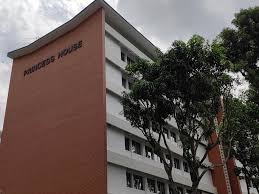
Nestled in the heart of Queenstown, Singapore’s first satellite town, Princess House stands as a prominent reminder of the nation’s post-war housing and urban development story. Built in the late 1950s, this modest yet elegant colonial-era building once served as the administrative hub for Singapore’s housing revolution.
Today, Princess House is more than just a heritage building—it represents the beginning of Singapore’s journey from kampongs to modern housing estates. For visitors walking the Queenstown Heritage Trail, this site is a key stop to learn about how Singapore transformed into one of the world’s best-planned cities.
Historical Background of Princess House
Princess House was completed in 1959 by the Singapore Improvement Trust (SIT), the colonial predecessor of the Housing and Development Board (HDB). At that time, the government was grappling with severe housing shortages, overpopulation, and poor living conditions in overcrowded kampongs.
When the HDB was formed in 1960, Princess House became its first headquarters. From this very building, Singapore launched its ambitious public housing programs that would reshape the island and uplift the lives of its citizens.
The name “Princess House” is believed to have been inspired by Queen Elizabeth II’s coronation and the town’s name, Queenstown, itself commemorating the monarch.
 Architectural Significance
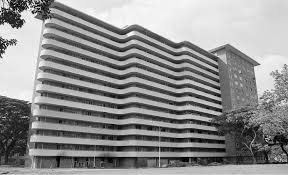
Princess House is designed in the International Style of architecture, which was popular in the 1950s. The building’s features include:
-
Functional Modernism: Clean lines, practical spaces, and simple forms.
-
Colonial Influence: A modest scale but with an official presence.
-
Symbolism: Reflecting the transitional period between colonial administration and self-governance.
Though unassuming compared to Singapore’s modern skyscrapers, its design reflects the pragmatism and efficiency of the early years of nation-building.
Key Role in Singapore’s Housing Story
Princess House was where the HDB launched its first Five-Year Plan in 1960. This plan aimed to build more than 50,000 flats in just five years—a seemingly impossible task at the time.
From these offices, policies and decisions were made that dramatically changed the lives of ordinary Singaporeans. Families who once lived in kampongs without running water or electricity were relocated into modern high-rise flats with basic amenities.
Princess House thus represents not only an architectural landmark but also the birthplace of modern Singapore’s housing miracle.
Highlights of Visiting Princess House
-
Heritage Building: Admire the preserved exterior and imagine its historical significance.
-
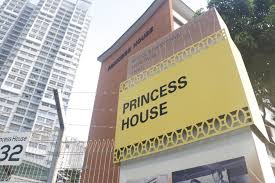
Interpretive Signboards: Learn about the building’s history and role in HDB’s early years.
-
Photographic Value: Capture images of this iconic mid-20th-century building.
-
Connection to Heritage Trail: Princess House is one of the anchor points in the Queenstown Heritage Trail, making it an educational stop for both locals and tourists.
 Activities Around Princess House
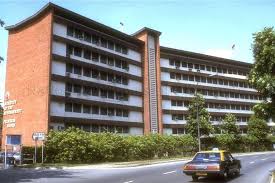
While Princess House itself is not open for regular public tours, visitors can still enjoy the surrounding area:
-
Heritage Walks: Join guided tours of the Queenstown Heritage Trail, which includes Princess House as a stop.
-
Photography: Perfect spot for capturing heritage architecture.
-
Storytelling Sessions: Local heritage groups often share oral histories about the early HDB days.
-
Nearby Landmarks: Combine your visit with nearby Queenstown icons such as the Queenstown Library and Church of the Blessed Sacrament.
Accessibility and Facilities
-
Location: At the junction of Commonwealth Avenue and Stirling Road, Queenstown.
-
Nearest MRT: Queenstown MRT (East-West Line), just a short walk away.
-
Opening Hours: Exterior viewable anytime; interior access limited to special events.
-
Facilities Nearby: Coffee shops, hawker centres, and modern malls within walking distance.
Nearby Attractions
Visitors to Princess House can explore other Queenstown highlights:
-
Queenstown Public Library – Singapore’s first neighborhood library.
-
Alexandra Canal Linear Park – A relaxing green corridor nearby.
-
Anchorpoint Shopping Centre – For shopping and dining.
-
Queensway Shopping Centre – Known as the sports mall of Singapore.
-
HortPark & Southern Ridges – Perfect for nature lovers after a heritage walk.
Travel Tips for Visitors
-
Best Time to Visit: Morning or evening for cooler weather when walking the trail.
-
Pair with Other Stops: Combine with nearby heritage and cultural landmarks for a full-day itinerary.
-
Guided Tours: Check with the National Heritage Board or My Community SG for scheduled tours.
-
Respect the Site: As it’s still an official building, be mindful of restricted access areas.
 Why Visit Princess House?
Princess House is not just an old office—it is a symbol of Singapore’s transformation. For history enthusiasts, architecture lovers, and anyone curious about how Singapore became a housing success story, this building is a must-visit.
It embodies:
-
Historical Legacy: First HDB headquarters, where housing dreams were planned.
-
Architectural Heritage: A snapshot of 1950s design.
-
Cultural Memory: A reminder of how far Singapore has come in urban development.
Conclusion
The Princess House in Queenstown is a hidden gem in Singapore’s urban landscape. Though modest in appearance, its walls hold stories of bold visions and transformative policies that lifted a nation.
Walking past Princess House along the Queenstown Heritage Trail allows visitors to appreciate the humble beginnings of Singapore’s housing journey. It reminds us that every great city is built not only on skyscrapers and malls, but also on the foundations of community, planning, and resilience.
For anyone seeking to explore Singapore beyond its famous landmarks, Princess House is a destination that combines history, architecture, and cultural memory in one meaningful stop.
Leave a Reply