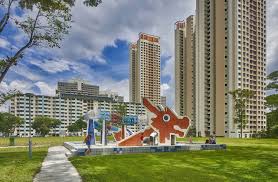
Amid the sleek skyscrapers and futuristic parks of modern Singapore, there stands a simple yet powerful reminder of the city’s past — the Dragon Playground in Toa Payoh.
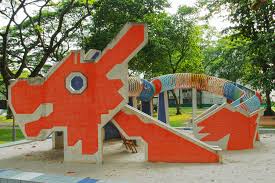
With its colorful mosaic tiles, dragon-shaped body, and sandy play area, this playground is not just a place for children to play — it’s a cherished national icon, representing a generation’s memories of a simpler, community-centered Singapore.
For locals and visitors alike, the Dragon Playground isn’t merely an old structure; it’s a symbol of heritage, creativity, and identity — a link between Singapore’s past and its ever-evolving present.
A Brief History of the Dragon Playground
The Dragon Playground was designed in 1979 by Mr. Khor Ean Ghee, an interior designer working for the Housing and Development Board (HDB). During that period, HDB aimed to design unique and locally inspired playgrounds that would foster creativity and community among children in housing estates.
Rather than copying foreign designs, Khor wanted something distinctively Singaporean — something that reflected local culture and imagination. His creation of the dragon — a creature symbolizing power, strength, and good fortune in Chinese culture — became an instant hit.
Originally, several versions of the dragon-themed playground were built across the island, but the Toa Payoh Dragon Playground, located near Block 28 Lorong 6, is the most famous and one of the few surviving originals.
Design and Structure: A Dragon You Can Climb
The design of the Dragon Playground perfectly captures the spirit of 1970s Singapore. Constructed mainly from cement, terrazzo, and steel, the structure combines durability with artistic flair.
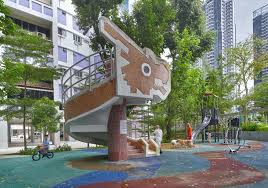
The dragon’s head and body are covered with colorful mosaic tiles, creating a textured, playful surface. Its long, curved metal body forms a tunnel that children can crawl through, while the tail loops into a slide and sandy pit below — once a common feature before rubber mats became the norm.
The playground’s simplicity is part of its charm. There are no high-tech features or digital games here — only imagination. Generations of Singaporean children turned this dragon into a castle, spaceship, or secret hideout, making it a central figure of childhood storytelling.
 A Symbol of Singapore’s Heartland Identity
The Dragon Playground is more than a play structure — it’s a symbol of the heartland spirit. In the 1970s and 1980s, HDB towns like Toa Payoh represented Singapore’s shift toward modern public housing and community living.
Each estate had its own personality, and playgrounds became meeting points for children and families. The Dragon Playground, with its distinctive shape and bright colors, became a landmark of belonging.
Even today, the dragon represents the resilience and unity of everyday Singaporeans — a generation that grew up playing outdoors, sharing laughter, and forming friendships beneath its tiled arches.
Why the Dragon Playground is a Cultural Icon
There are many reasons why the Dragon Playground continues to capture hearts:
-
🐉 Unique Design: Unlike modern playgrounds that follow standard templates, the Dragon’s design was handcrafted with local inspiration.
-
🎨 Art Meets Function: It blends sculpture and play, showing how design can serve both creativity and community.
-
🏘️ Heritage Value: It represents a period in Singapore’s history when identity and culture were embedded in everyday architecture.
-
📸 Photogenic Symbol: Its colorful tiles and whimsical shape make it one of Singapore’s most Instagram-worthy vintage landmarks.
-
❤️ Emotional Connection: For many Singaporeans, it holds personal memories of growing up in the 1980s and 1990s.
It’s not surprising that the Dragon Playground is featured in travel guides, art projects, and even souvenirs. It’s a true cultural treasure that continues to inspire nostalgia and pride.
Preservation and Recognition
As Singapore modernized, many of its old playgrounds were replaced with newer, safer designs. However, the Dragon Playground in Toa Payoh was preserved due to its historical and cultural importance.
In 2014, the National Heritage Board (NHB) listed it as one of Singapore’s most iconic playgrounds. It also appeared in exhibitions and documentaries celebrating local design.
While some of the original mosaic-tiled playgrounds have disappeared, the Dragon’s legacy lives on. Miniature replicas and modern reinterpretations have been installed in newer housing estates — proof of how deeply it remains part of Singapore’s identity.
A Popular Spot for Visitors and Photographers
Today, the Dragon Playground attracts not only nostalgic locals but also tourists, photographers, and artists.
Its bold design and vibrant colors create the perfect backdrop for photo shoots and videos. Many wedding and fashion photographers use it as a symbol of heritage meeting modernity.
For travelers, it offers a chance to experience the authentic “heartland” side of Singapore — far from the glitz of Marina Bay or Orchard Road. Visiting the Dragon Playground is like stepping into a time capsule, where the rhythm of everyday life still feels warm and familiar.
 Activities Around the Playground
Although small in scale, the playground is part of a lively neighborhood filled with things to see and do:
-
Toa Payoh Town Park: Just a short walk away, this park offers scenic ponds and lush greenery.
-
Toa Payoh HDB Hub: A bustling shopping and dining area near the MRT station.
-
Local Eateries: Enjoy traditional hawker food at Toa Payoh Lorong 1 Market & Food Centre.
-
Toa Payoh Heritage Trail: A self-guided route that highlights the estate’s history and landmarks, including the Dragon Playground itself.
These attractions make Toa Payoh a rewarding stop for anyone interested in Singapore’s everyday culture.
How to Get There
Location: Block 28 Lorong 6, Toa Payoh, Singapore
Nearest MRT Station: Toa Payoh (North-South Line), about a 10-minute walk
Bus Services: Buses along Lorong 6 and Lorong 8 stop nearby
Parking: Available at nearby HDB car parks
The playground is open to the public 24 hours a day, and entrance is free. It’s especially beautiful during the early morning and late afternoon when the sunlight casts warm hues across the tiles.
 For Families and Visitors
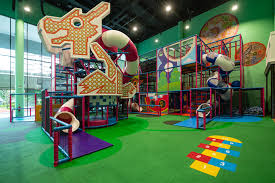
Families with young children still visit the Dragon Playground to play, while older visitors come to relive old memories or share stories with the next generation.
It’s a wonderful place to teach kids about Singapore’s cultural heritage — that beauty and creativity can exist even in the simplest neighborhood spaces.
Modern Influence and Cultural Legacy
The Dragon Playground has inspired countless forms of local art — from postcards and stamps to murals and collectible toys. It even appears in popular culture, symbolizing “old Singapore.”
Designers have reimagined it in new ways, including miniature models and digital artworks, ensuring that its image continues to live on even as the city evolves.
It stands today not only as a piece of playground equipment but also as an icon of Singapore’s design history — humble, imaginative, and distinctly homegrown.
Conclusion
The Dragon Playground is more than a nostalgic attraction — it’s a story about Singapore’s creativity, culture, and community spirit. Built during a time of transformation, it continues to remind everyone of what makes the nation special: the warmth of its neighborhoods, the pride in local design, and the joy of shared memories.
In a city constantly reinventing itself, the Dragon Playground remains proudly rooted — a timeless guardian of Singapore’s childhood dreams.
Whether you’re a traveler exploring hidden gems or a local revisiting old memories, take a moment to visit this beautiful dragon in Toa Payoh. It’s not just a playground — it’s a piece of Singapore’s soul.
Leave a Reply