Introduction
Singapore is a small country in Southeast Asia, widely recognized for its economic progress, cultural diversity, and iconic national symbols. Despite its limited land area, Singapore has successfully built a strong identity on the international stage. One of the clearest reflections of this identity can be found in its national icons—ranging from the national flag and emblem to famous statues and modern architecture that represent the spirit of the nation.
This article explores Singapore’s national icons in detail, their history, the philosophy behind them, and why they hold such importance for both citizens and visitors.
1. The National Flag of Singapore
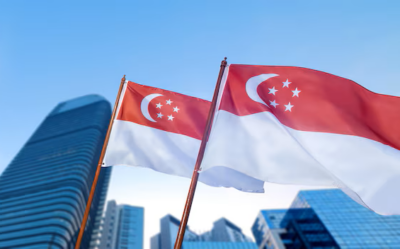
The Singapore flag was officially unveiled on 3 December 1959, when the country gained self-government from Britain, and it was retained as the national flag after full independence on 9 August 1965.
-
Design: The flag consists of two horizontal halves: red above and white below. In the top left corner sits a white crescent moon and five white stars arranged in a circle.
-
Meaning:
-
Red symbolizes universal brotherhood and equality of man.
-
White represents purity and virtue.
-
The crescent moon stands for a young nation on the rise.
-
The five stars represent democracy, peace, progress, justice, and equality.
-
This flag is not merely cloth; it embodies the determination of Singaporeans to move forward while holding on to core human values.
2. The National Coat of Arms
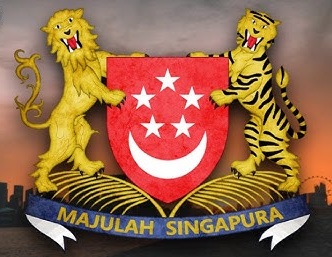
Singapore’s Coat of Arms was introduced in 1959 alongside the national flag.
-
Design: A red shield bearing a white crescent moon and five stars is flanked by two animals: a lion on the left and a tiger on the right. Below is a blue banner with the words “Majulah Singapura” (“Onward Singapore”) in Malay.
-
Meaning:
-
The lion symbolizes Singapore itself, famously known as the “Lion City.”
-
The tiger reflects Singapore’s historical ties with Malaysia.
-
The shield carries the same ideals represented in the flag.
-
The Coat of Arms is used in official documents, government buildings, and state occasions as a mark of sovereignty.
3. The National Anthem: “Majulah Singapura”
The national anthem is another vital symbol. “Majulah Singapura” was composed by Zubir Said in 1958 for a theater performance and later adopted as the anthem when Singapore became fully independent in 1965.
-
Meaning: Written in Malay, the national language, the lyrics encourage unity and progress.
-
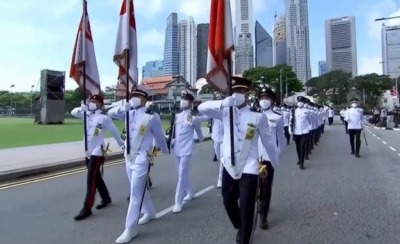
Function: Sung during official events, school assemblies, and national ceremonies, it reinforces a sense of pride and solidarity among Singaporeans.
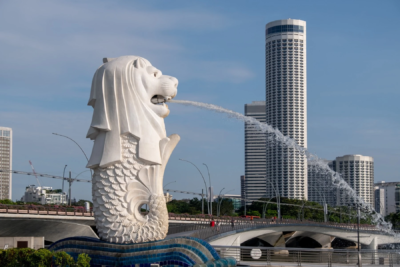
4. The Merlion – Tourism Icon and National Identity
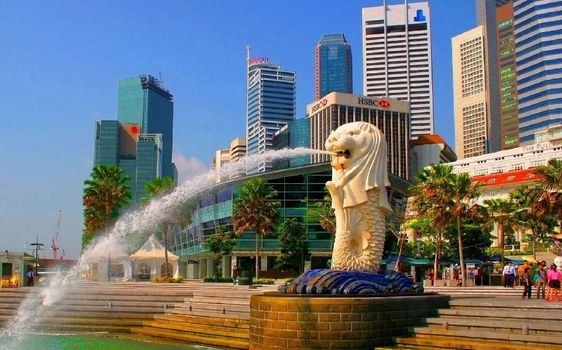
Perhaps the most famous symbol of Singapore is the Merlion, a statue with the head of a lion and the body of a fish. It was designed by Fraser Brunner in 1964 as the logo of the Singapore Tourism Board (STB).
-
Meaning:
-
The lion’s head signifies “Singapura,” which means “Lion City.”
-
The fish body represents Singapore’s origin as a small fishing village called Temasek, meaning “Sea Town.”
-
The 8.6-meter-tall Merlion statue at Merlion Park, near Marina Bay, is now one of the country’s most popular tourist attractions and a must-visit photo spot.
5. The Lion as a National Symbol
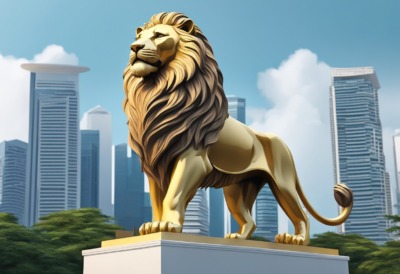
Beyond the Merlion, the lion itself is a powerful symbol of Singapore. The country’s name originates from the Sanskrit words Simha (lion) and Pura (city). According to legend, Prince Sang Nila Utama of Srivijaya named the island after spotting a creature resembling a lion when he first arrived.
Today, the lion is frequently used in national logos, mascots, and architectural designs, representing strength, courage, and national pride.
6. Modern Architectural Icons
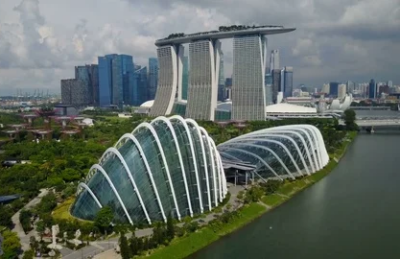
Singapore’s identity is also reflected in its world-renowned modern architecture, which has become an integral part of its image:
-
Marina Bay Sands: A luxury resort with three towers topped by a skypark, symbolizing the nation’s economic progress.
-
Gardens by the Bay: A futuristic garden featuring the iconic Supertree Grove, reflecting Singapore’s commitment to sustainability.
-
Esplanade – Theatres on the Bay: A performing arts center with a design resembling a durian fruit, showcasing Singapore’s creativity and cultural appreciation.
These structures highlight Singapore’s image as a modern nation while staying connected to its heritage.

7. Singapore Currency
The country’s banknotes and coins also carry national icons. The Portrait Series banknotes, for example, feature the face of Yusof bin Ishak, Singapore’s first President, as a tribute to his role in shaping the nation. Other notes and coins display significant landmarks and national symbols, reinforcing collective pride.
8. National Day and the National Day Parade (NDP)
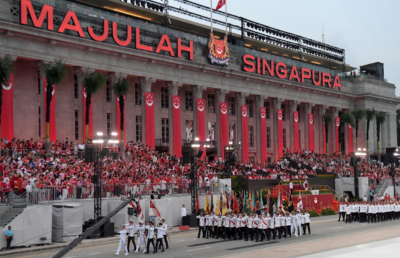
Every 9 August, Singapore celebrates its National Day with the spectacular National Day Parade (NDP).
The event showcases the flag, the national anthem, cultural performances, and military displays. NDP is not only a yearly celebration but also a powerful expression of patriotism and unity that all Singaporeans look forward to.

9. Culinary Icons
Beyond formal symbols, Singapore’s cuisine has also become a global icon. Dishes like Hainanese Chicken Rice, Chili Crab, and Laksa are more than food—they are cultural identities that reflect the country’s multicultural makeup, blending Malay, Chinese, Indian, and other influences.
These culinary treasures help put Singapore on the global map, attracting food lovers from around the world.
Conclusion
Singapore’s icons go far beyond official symbols such as the flag, coat of arms, and anthem. They also include the Merlion, architectural landmarks, culinary delights, and national celebrations. Each icon carries deep meaning, reflecting the nation’s journey, cultural identity, and aspirations for the future.
For Singaporeans, these symbols are sources of pride and unity. For visitors, they are unique attractions that make Singapore not only a hub for business but also a country rich in cultural identity.
Through a balance of tradition and modernity, Singapore has successfully created national icons that are globally recognized, strengthening its image as one of the most dynamic nations in Asia and the world.
Leave a Reply