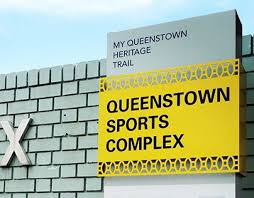
Introduction to Queenstown Heritage Trail
Known as Singapore’s first satellite town, Queenstown holds a special place in the nation’s history. Once a rural village, it became the site of Singapore’s earliest Housing and Development Board (HDB) flats, as well as pioneering community facilities. Today, Queenstown is not just a residential area—it’s a living museum where history, culture, and architecture come together.
The Queenstown Heritage Trail, developed by the National Heritage Board (NHB), guides visitors through a curated journey of landmarks, old neighborhoods, and cultural sites. It tells the story of Singapore’s urban transformation while preserving the spirit of its past.
Background and Significance
Launched in 2013 and expanded over the years, the Queenstown Heritage Trail highlights the town’s role in shaping Singapore’s public housing and community life. The estate was named after Queen Elizabeth II in 1953, marking her coronation year.
From the first HDB blocks to iconic landmarks like former cinemas, churches, and parks, the trail showcases how Queenstown became a model for urban planning and a community hub for generations.
 Key Features of the Queenstown Heritage Trail
🏘 Pioneer Housing Estates
Visitors can see Forfar House, one of the first high-rise public housing blocks, and other early HDB developments that marked Singapore’s shift from kampungs to modern housing.
🎬 Former Entertainment Spots
Once home to iconic cinemas like Queen’s Theatre and Venus Theatre, Queenstown was a vibrant hub for leisure and entertainment in the mid-20th century.
⛪ Religious Landmarks
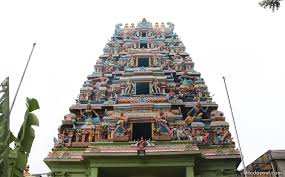
The trail features historic churches and temples that reflect the area’s diverse communities, such as the Church of the Blessed Sacrament and Sri Muneeswaran Temple.
🏞 Parks and Community Spaces
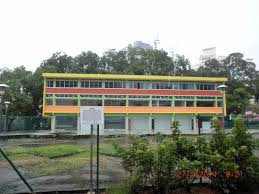
Landmarks like Alexandra Hospital and Queenstown Sports Complex highlight the town’s role in healthcare and sports development.
🏛 Cultural Heritage Nodes
Interpretive signboards and storytelling points along the trail provide historical context, photographs, and anecdotes from past residents.
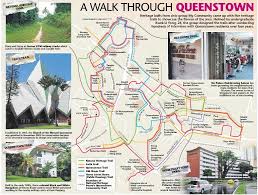 Highlights Along the Trail
Some must-see stops include:
-
Queenstown Public Library – Opened in 1970, it was Singapore’s first neighborhood library.
-
Forfar Heights – A symbol of early high-rise living.
-
Church of the Blessed Sacrament – Famous for its unique tent-like roof design.
-
Former Commonwealth Avenue Wet Market – Once a bustling hub of daily life.
-
Alexandra Hospital – With roots dating back to the British colonial period.
-
Queenstown Stadium & Swimming Complex – Among the first community sports facilities in Singapore.
Each site tells a different story, from housing policy to community bonding.
Activities to Enjoy
Walking the Queenstown Heritage Trail isn’t just about sightseeing—it’s an interactive experience:
-
Heritage Walks: Guided tours are sometimes organized, offering deeper insights.
-
Photography: Capture nostalgic architecture and historic landmarks.
-
Storytelling: Listen to accounts from long-time residents, often featured in trail resources.
-
Cultural Exploration: Visit temples, churches, and community sites to see how diverse cultures shaped Queenstown.
Accessibility and Facilities
Starting Point: Various entry points, commonly near Queenstown MRT (East-West Line).
Trail Length: Flexible; visitors can choose shorter loops or a full-day exploration.
Opening Hours: Open all year round; best explored during daylight hours.
Facilities:
-
Signboards with historical information
-
MRT and bus connectivity nearby
-
Public amenities such as food courts and rest areas
 Nearby Attractions
Exploring Queenstown Heritage Trail can be paired with other attractions in the area:
-
IKEA Alexandra – A family-favorite home shopping spot.
-
Queensway Shopping Centre – Singapore’s sports mall.
-
Anchorpoint Shopping Centre – Outlet shopping with discounts.
-
HortPark & Southern Ridges – For a nature and garden experience.
-
Gillman Barracks – An arts cluster in a historic military site.
Travel Tips for Visitors
-
Wear Comfortable Shoes: The trail involves lots of walking.
-
Bring Water: Stay hydrated in Singapore’s tropical weather.
-
Start Early: Morning walks are cooler and less crowded.
-
Use Public Transport: Queenstown MRT provides easy access to multiple trail sites.
-
Join Guided Tours: If available, guided tours enrich the experience with personal stories and deeper context.
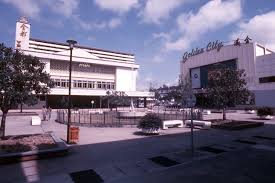 Why Walk the Queenstown Heritage Trail?
Unlike modern shopping districts or tourist-heavy landmarks, the Queenstown Heritage Trail offers a more authentic glimpse into Singapore’s history. It highlights:
-
Urban Transformation: From kampungs to modern HDB flats.
-
Community Stories: Narratives from the pioneer generation.
-
Architectural Heritage: Mid-20th century design still visible today.
-
Cultural Diversity: Religious and cultural sites within one neighborhood.
For history buffs, photographers, and culture seekers, this trail is a treasure trove of stories.
Conclusion
The Queenstown Heritage Trail is more than a walking route—it’s a journey through Singapore’s past, present, and future. By exploring its historic estates, cultural landmarks, and community spaces, visitors gain a deeper understanding of how Singapore built its identity as a modern city-state.
Whether you are a local rediscovering your roots or a tourist looking for authentic experiences beyond Orchard Road and Marina Bay, Queenstown Heritage Trail provides a meaningful connection to Singapore’s heritage.
It is a reminder that even in a fast-paced, modern city, history lives on in the neighborhoods where people built their homes, raised families, and forged communities.
abb
Leave a Reply