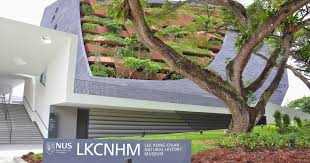
Introduction to Lee Kong Chian Natural History Museum
Tucked within the campus of the National University of Singapore (NUS), the Lee Kong Chian Natural History Museum (LKCNHM) is one of Singapore’s most fascinating cultural and educational attractions. Opened in 2015, it serves as the nation’s first and only natural history museum, showcasing the immense biodiversity of Southeast Asia while also preserving valuable specimens for scientific research.
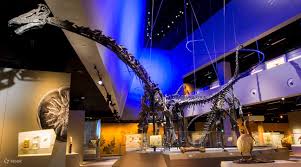
The museum is best known for its three towering dinosaur fossils, but beyond these prehistoric giants, it houses over 2,000 natural history specimens ranging from plants and insects to marine life and mammals. It’s a place where science, education, and discovery come together, making it a must-visit for families, students, and nature lovers.
 History and Background
The museum is named after philanthropist Lee Kong Chian, whose foundation supported the development of this landmark institution. It evolved from the Raffles Museum of Biodiversity Research, which itself had roots in the Raffles Museum founded in the 19th century.
LKCNHM not only functions as a museum for the public but also as a research centre, preserving millions of specimens for study by scientists and conservationists. This dual role makes it both a cultural attraction and a vital part of Singapore’s scientific community.
Key Features of Lee Kong Chian Natural History Museum
🦕 Dinosaur Fossils
The museum’s most iconic attractions are the three diplodocid sauropod fossils, affectionately named Prince, Apollo, and Twinky. These skeletons, discovered in the United States, stand up to 12 meters tall and 27 meters long, creating a dramatic centerpiece in the gallery.
🐢 Southeast Asian Biodiversity Gallery
This gallery showcases the incredible diversity of flora and fauna from Southeast Asia, including preserved specimens of birds, reptiles, amphibians, fish, and mammals.
🐋 The Sperm Whale Skeleton
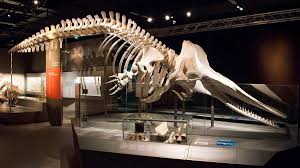
Another highlight is the skeleton of a female sperm whale that washed ashore in Singapore in 2015. Now fully reconstructed, it stands as a reminder of marine biodiversity and conservation.
🦋 Invertebrate Collection
From butterflies and beetles to crustaceans and mollusks, the invertebrate displays highlight the small but essential creatures that form the backbone of ecosystems.
🌱 Plant Exhibits
The museum also features a botanical collection with preserved plant specimens, showcasing the importance of plant diversity in Southeast Asia’s ecosystems.
🧑🏫 Research and Education
Beyond the displays, the museum functions as a research hub with a collection of over one million specimens, supporting conservation studies and academic projects.
Activities and Experiences
-
Dinosaur Encounters – Marvel at the sheer size and detail of the diplodocid fossils.
-
Interactive Exhibits – Learn about evolution, extinction, and conservation through digital installations.
-
Guided Tours – Book a guided experience for in-depth explanations of exhibits.
-
Family Programs – Weekend workshops and educational activities are designed for children and parents.
-
School Visits – A popular field trip destination that complements science and biology curricula.
-
Research Engagement – Students and scientists often engage with the museum for biodiversity projects.
Accessibility and Facilities
Address: 2 Conservatory Drive, Singapore 117377 (within NUS Kent Ridge Campus)
Opening Hours:
-
Tuesday – Sunday: 10:00 AM – 6:00 PM
-
Closed on Mondays (except public holidays)
MRT Access:
-
Kent Ridge MRT (Circle Line) – followed by a short walk or internal NUS shuttle bus.
Facilities Available:
-
Visitor information desk
-
Souvenir and book shop
-
Café (located nearby within NUS campus)
-
Wheelchair-accessible galleries
-
Resting areas and benches
Tickets:
-
Adult: SGD 21 (local residents enjoy discounted rates)
-
Child/Student/Senior: SGD 13
Nearby Attractions
-
Kent Ridge Park – A green escape with WWII history.
-
HortPark – A gardening hub with themed landscapes.
-
Reflections at Bukit Chandu – Heritage centre commemorating the Battle of Pasir Panjang.
-
West Coast Park – A family-friendly park with playgrounds and coastal views.
-
National University of Singapore (NUS) Museum – Another cultural space focusing on art and history.
 Travel Tips for Visitors
-
Book Tickets in Advance: Entry is timed, so reserving online ensures smooth admission.
-
Plan 2–3 Hours: To fully explore all exhibits at a comfortable pace.
-
Family Friendly: Suitable for children of all ages, especially those fascinated by dinosaurs.
-
Best Visiting Time: Weekday mornings are less crowded than weekends.
-
Photography: Non-flash photography is allowed in most areas, making it perfect for capturing memories.
Why Visit Lee Kong Chian Natural History Museum?
The LKCNHM is unique because it’s not just a museum—it’s a living centre for biodiversity research and education. Unlike art or cultural museums, it gives visitors an intimate look into the natural world, past and present.
Highlights like the dinosaur fossils and sperm whale skeleton offer a “wow” factor, while the extensive biodiversity galleries deepen appreciation for Southeast Asia’s ecosystems. It’s an inspiring, educational, and fun experience for families, students, and travelers alike.
Conclusion
The Lee Kong Chian Natural History Museum stands as one of Singapore’s most enriching destinations, combining science, education, and culture under one roof. With its impressive dinosaur fossils, diverse galleries, and emphasis on Southeast Asian biodiversity, it offers visitors a unique opportunity to explore both prehistoric and modern natural history.
Whether you’re a dinosaur enthusiast, a student eager to learn, or simply a curious traveler, this museum is a must-visit attraction that highlights the beauty and importance of the natural world.
Leave a Reply