Introduction
Singapore is a multicultural nation shaped by centuries of trade, migration, and cultural exchange. Among its many unique communities, the Peranakans hold a special place. Known as the Straits Chinese or Baba-Nyonya, the Peranakans are descendants of Chinese immigrants who settled in the Malay Archipelago and adopted elements of local Malay and Indonesian culture.
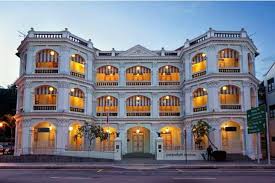
To learn more about this fascinating community, a visit to the Peranakan Museum Singapore is a must. Housed in a beautifully restored heritage building, the museum showcases the rich traditions, art, fashion, and daily life of the Peranakans. It’s one of the only museums in the world dedicated entirely to Peranakan culture, making it an essential stop for history lovers and curious travelers alike.
History of the Peranakan Museum
The Peranakan Museum opened its doors in 2008 in the former Tao Nan School building, a historic structure dating back to 1910. Located on Armenian Street in Singapore’s civic district, the museum was designed as a sister institution to the Asian Civilisations Museum.
After an extensive renovation, the Peranakan Museum reopened in 2023 with refreshed galleries, interactive displays, and expanded collections. Today, it serves not only as a cultural showcase but also as a platform for research and education on Peranakan heritage.
 Highlights of the Peranakan Museum
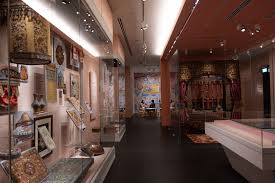
The museum spans three floors, each dedicated to different aspects of Peranakan culture.
1. Origins and Identity
The first gallery introduces visitors to the Peranakan community, exploring their origins, migration patterns, and blended identity. It highlights the way Chinese, Malay, and European influences came together to shape Peranakan traditions.
2. Peranakan Home Life
The second floor brings Peranakan domestic life to life. Key highlights include:
-
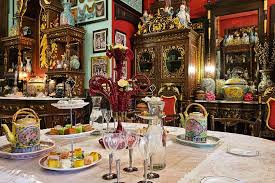
Baba House-style furniture – Elaborate wooden cabinets, carved chairs, and porcelain dining sets.
-
Kitchen displays – Traditional cooking utensils, tiffin carriers, and recipes showcasing the beloved Peranakan cuisine.
-
Wedding traditions – A spectacular 12-day Peranakan wedding ceremony is reconstructed through jewelry, textiles, and ceremonial objects.
3. Fashion and Textiles
One of the most colorful parts of the museum is the collection of Nyonya kebayas (embroidered blouses) and batik sarongs. Visitors can admire the delicate craftsmanship of beadwork and embroidery, which symbolized status and identity within the Peranakan community.
4. Religion and Rituals
This section explores how Peranakans celebrated life and death. Exhibits include ancestral altars, religious artifacts, and ceremonial objects used in weddings, funerals, and other milestones.
5. Public Life and Legacy
The final galleries showcase prominent Peranakan figures who contributed to Singapore’s growth. From businessmen and philanthropists to artists and politicians, this gallery reflects the Peranakan influence on Singapore’s social fabric.
 Special Exhibitions and Programs
In addition to its permanent collection, the Peranakan Museum hosts special exhibitions that explore related themes such as cross-cultural fashion, Southeast Asian design, and modern interpretations of heritage.
The museum also organizes:
-
Workshops on Peranakan beadwork and cooking.
-
Talks and lectures by historians and cultural experts.
-
Family activities, including storytelling sessions and interactive trails for children.
Location and Accessibility
The Peranakan Museum is located at 39 Armenian Street, Singapore 179941, in the heart of the city.
How to Get There:
-
By MRT: The nearest stations are Bras Basah (Circle Line) and City Hall (North-South and East-West Lines), both within a 10-minute walk.
-
By Bus: Several buses stop along Stamford Road and Armenian Street.
-
By Taxi/Car: Drop-off points are available, with nearby parking at SMU and Fort Canning.
Opening Hours and Admission Fees
-
Opening Hours: Daily, 10:00 AM – 7:00 PM (Fridays until 9:00 PM)
-
Admission Fees:
-
Adults (Singapore Residents): SGD $6
-
Adults (Tourists/Non-Residents): SGD $15
-
Students/Seniors: Discounts available
-
Children under 6: Free entry
-
Tip: The museum sometimes offers free admission during cultural festivals.
Nearby Attractions
The museum is situated in a vibrant cultural district. Nearby attractions include:
-
National Museum of Singapore – A short walk away, focusing on Singapore’s national history.
-
Armenian Church – Singapore’s oldest Christian church, right across the street.
-
Fort Canning Park – A green oasis filled with historical landmarks.
-
Singapore Art Museum (SAM) – Contemporary art exhibitions in the vicinity.
Why Visit the Peranakan Museum?
-
Unique Heritage – It’s one of the only museums in the world dedicated to Peranakan culture.
-
Immersive Experience – Life-sized displays and interactive galleries make history engaging.
-
Cultural Connection – Learn how Peranakan traditions influenced Singapore’s identity.
-
Beautiful Architecture – The museum building itself is a restored neoclassical gem.
-
Perfect for Families – Educational yet fun, with plenty of hands-on activities.
Travel Tips for Visitors
-
Allow at least 2 hours to fully explore the museum.
-
Join a guided tour for deeper insights into exhibits.
-
Visit during weekdays for a quieter experience.
-
Check special exhibitions before your visit to catch unique showcases.
-
Combine with nearby museums for a full cultural day in Singapore.
Conclusion
The Peranakan Museum Singapore offers an unforgettable glimpse into the rich cultural tapestry of the Peranakan community. From dazzling jewelry and colorful kebayas to wedding traditions and home life, the museum paints a vivid picture of how this unique culture thrived in Singapore and the region.
For anyone interested in heritage, art, and identity, the Peranakan Museum is a must-visit attraction that celebrates diversity and tradition in one of Asia’s most multicultural cities.
Leave a Reply